Spring 2026 Anthology
Available Now
Get a copy on Western Washington University’s campus news stands — or read it online.
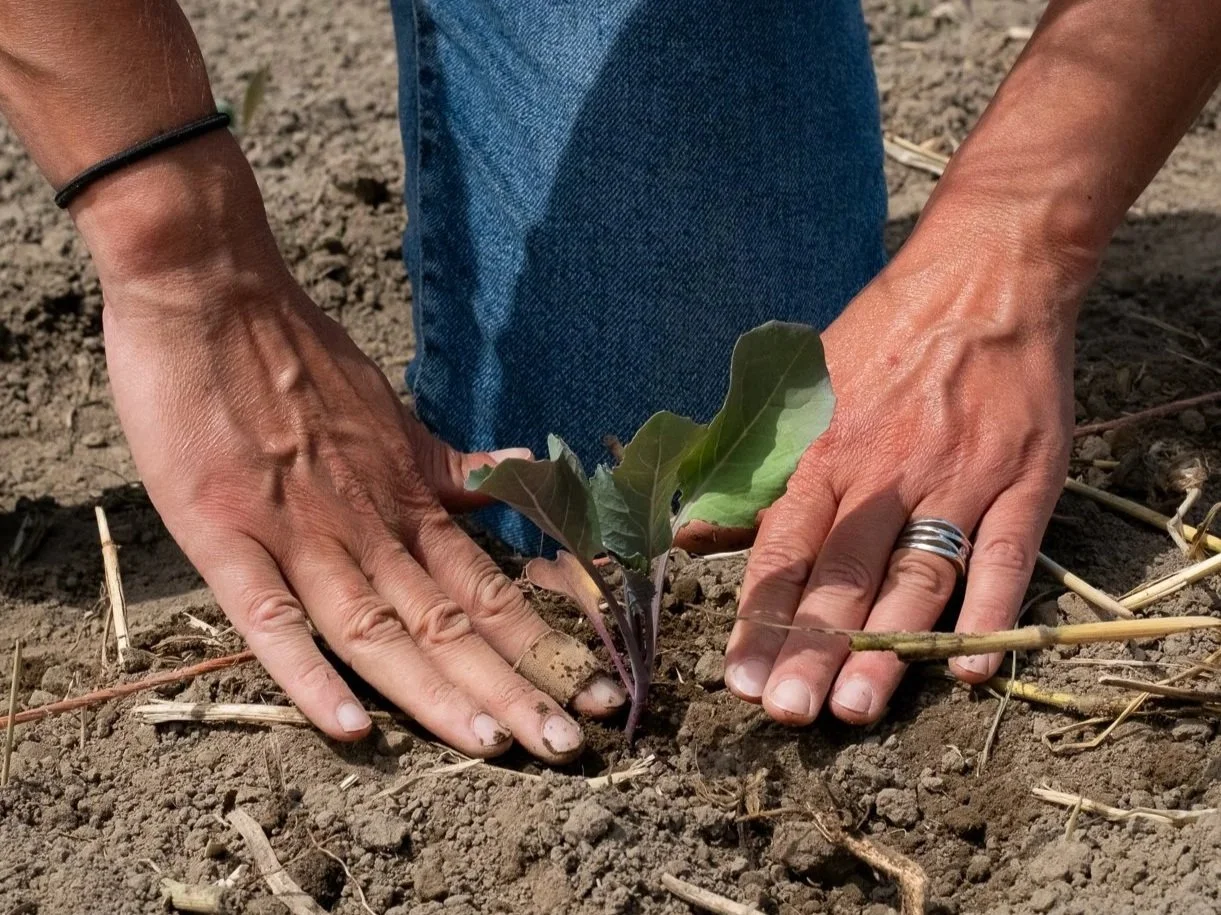
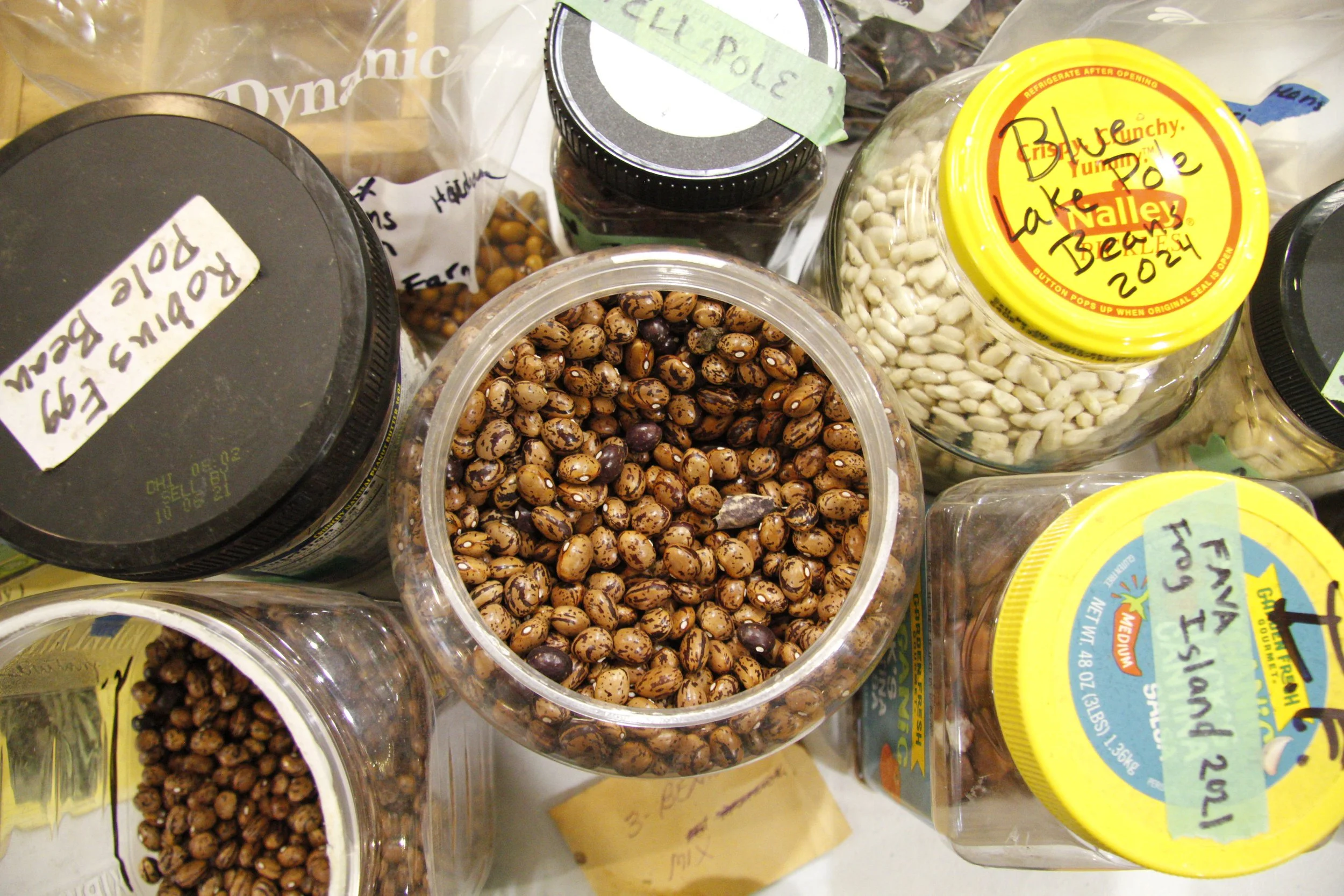
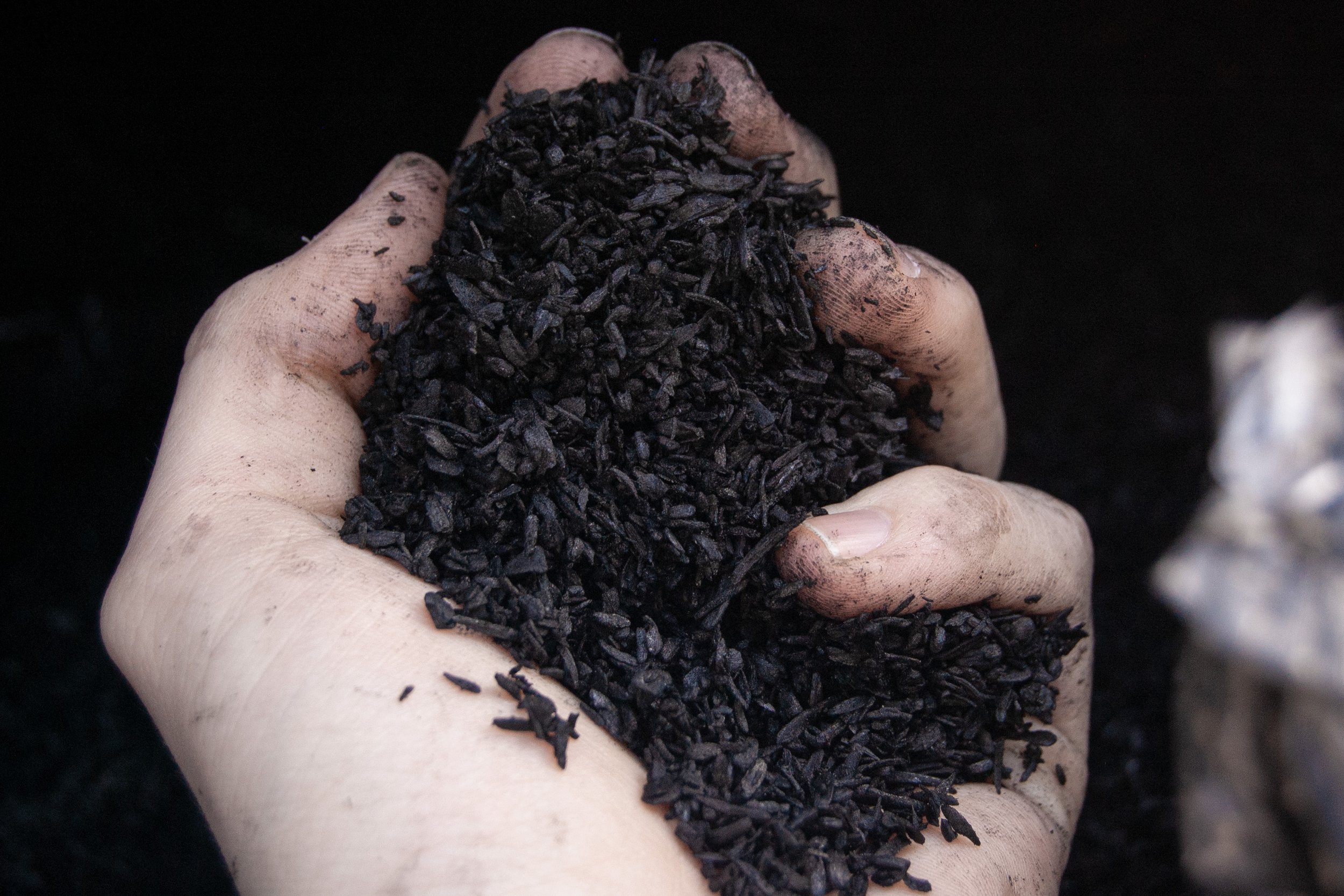
A microscopic world exists under our feet, and farmers are finding new ways to protect it
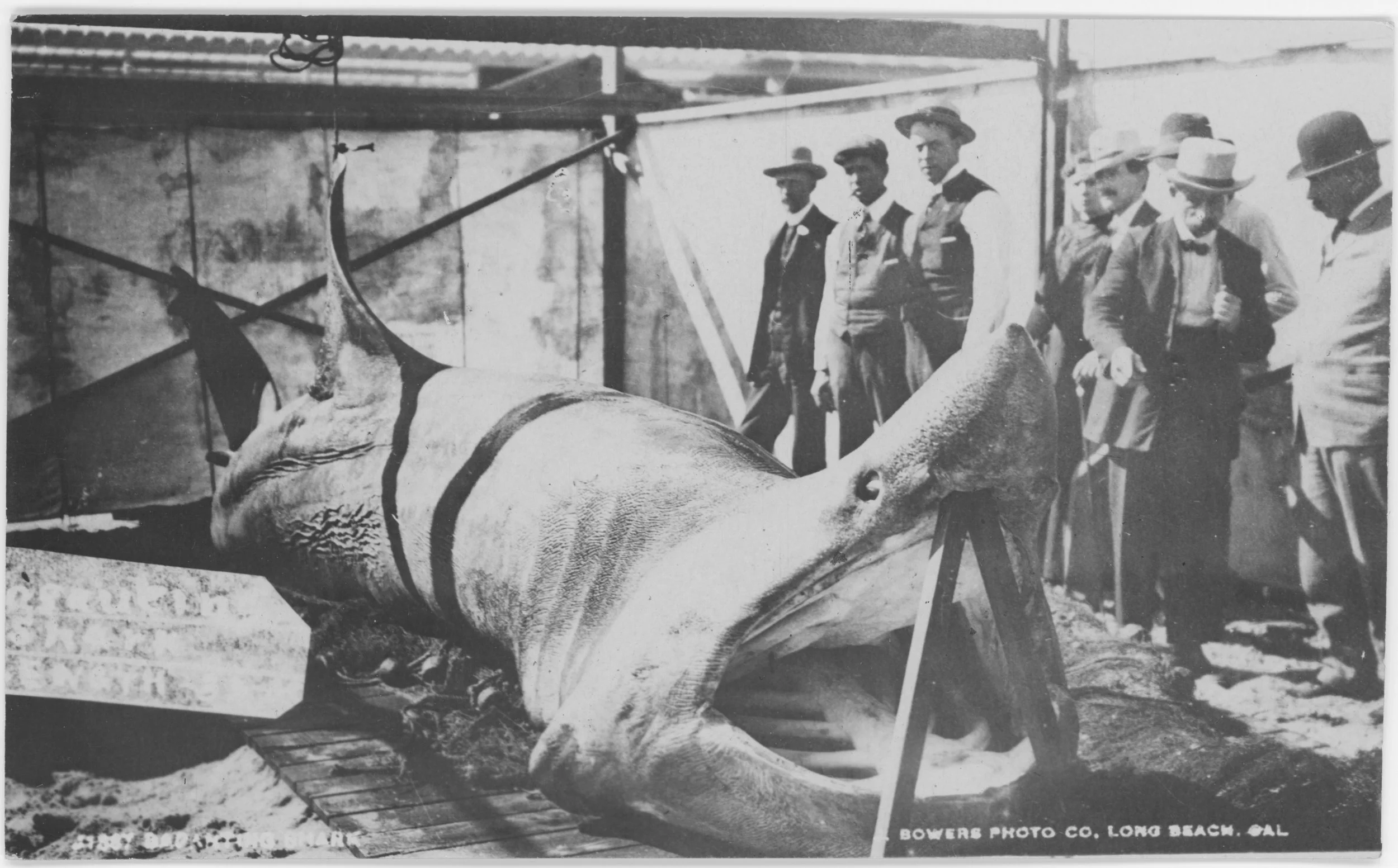
Despite rebounding in other oceans, basking shark populations remain a rarity in the Pacific Northwest
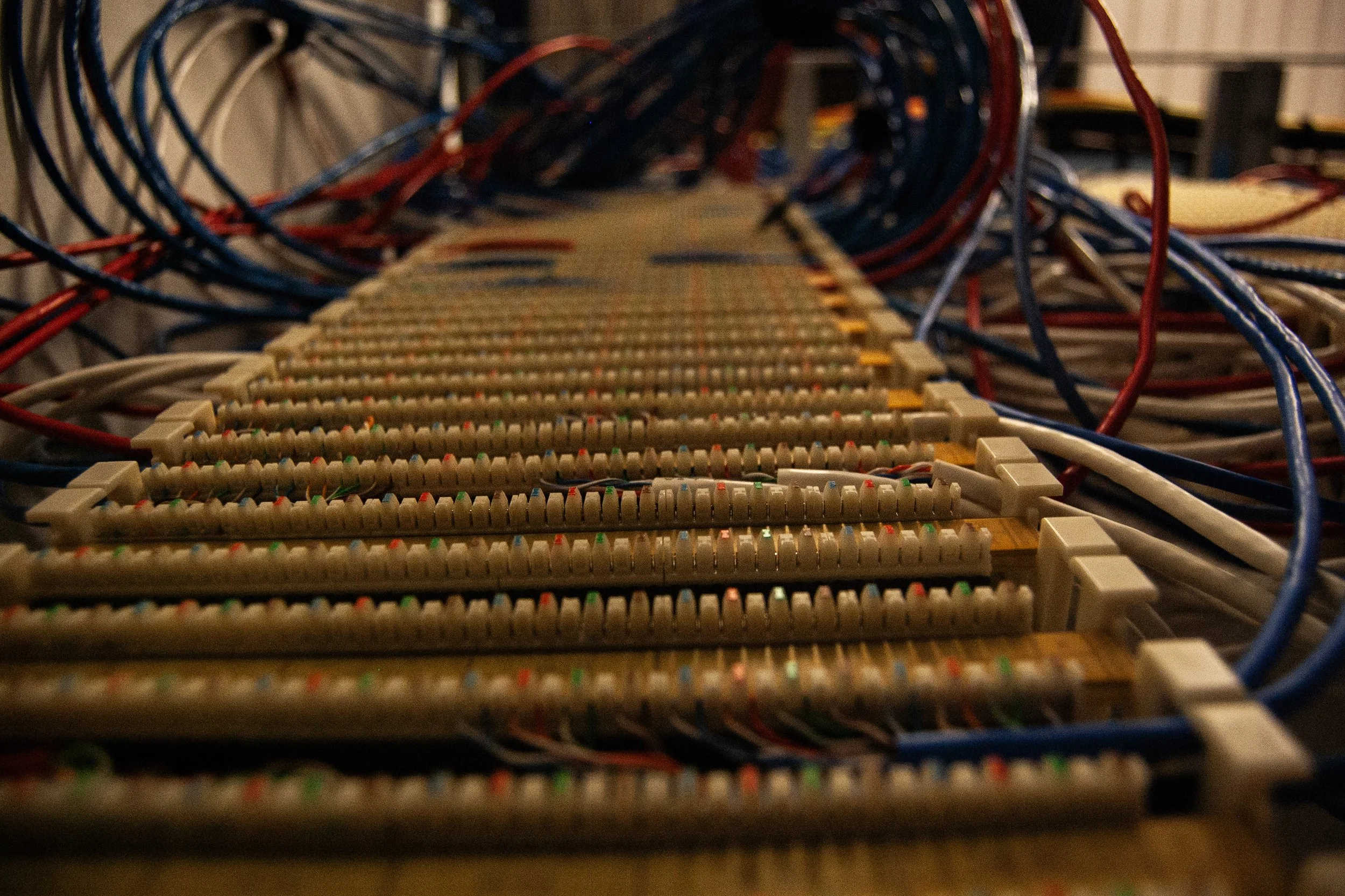
In rural Washington, the promise of tech-driven prosperity is running dry, one data center at a time
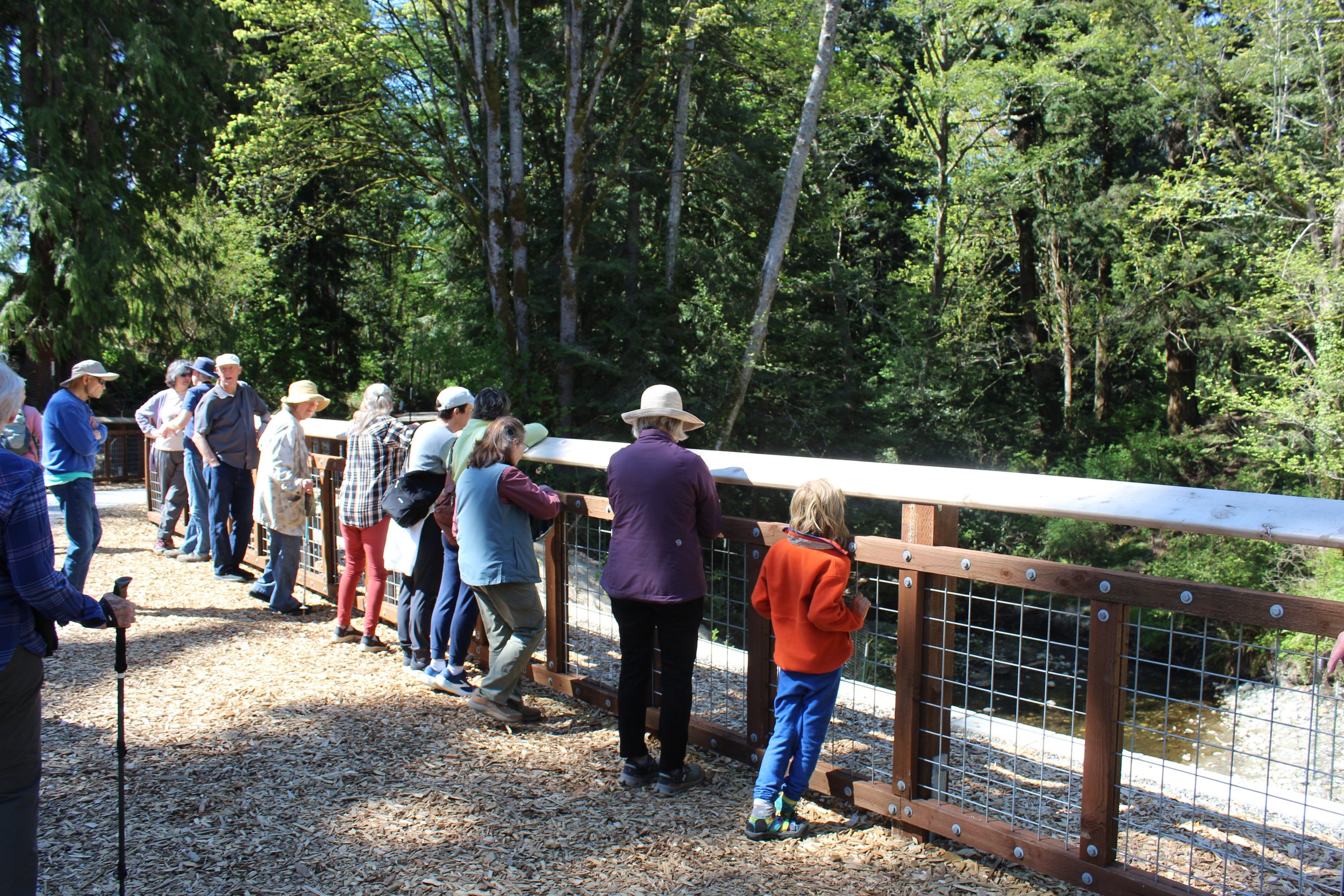
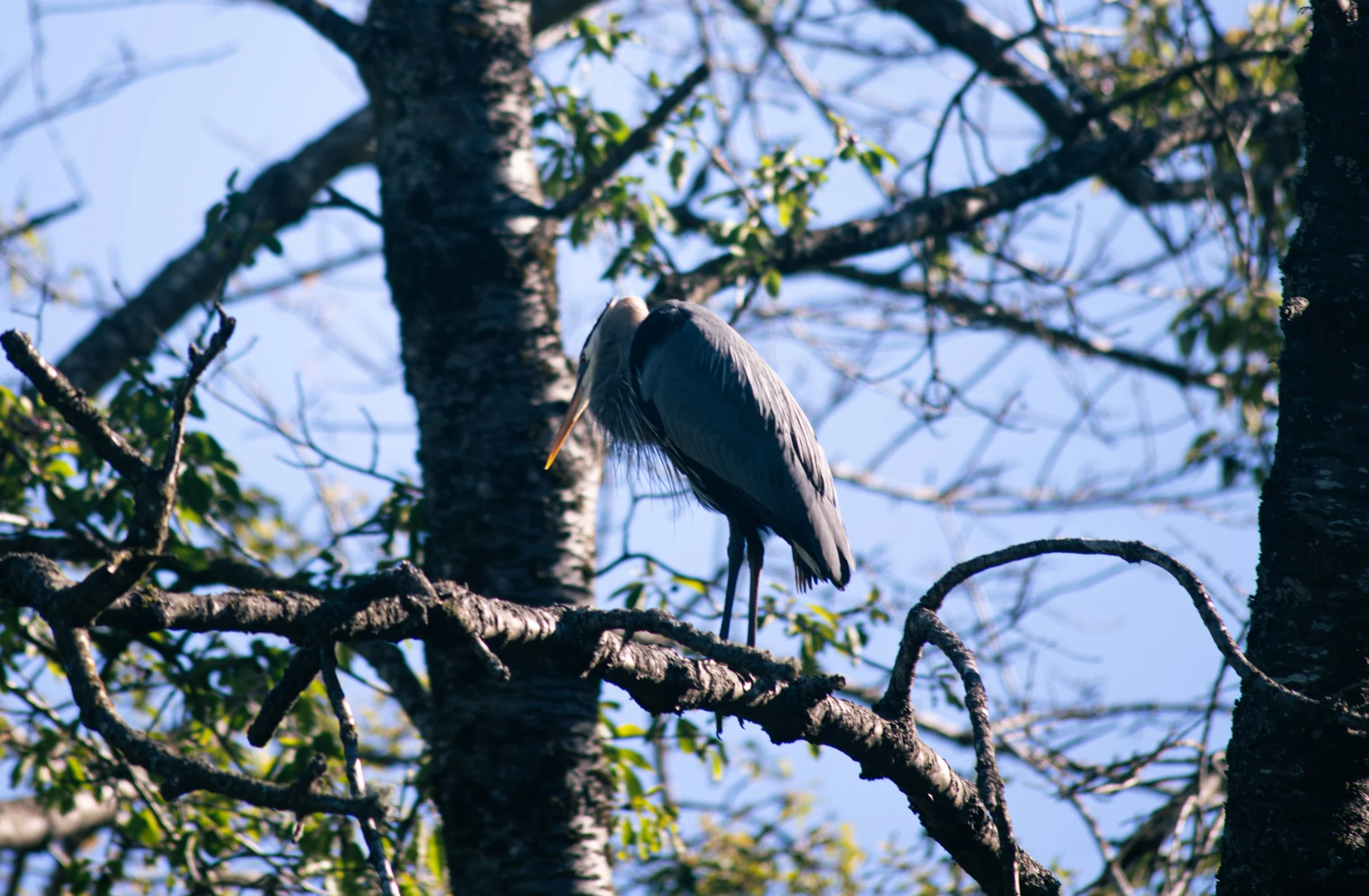
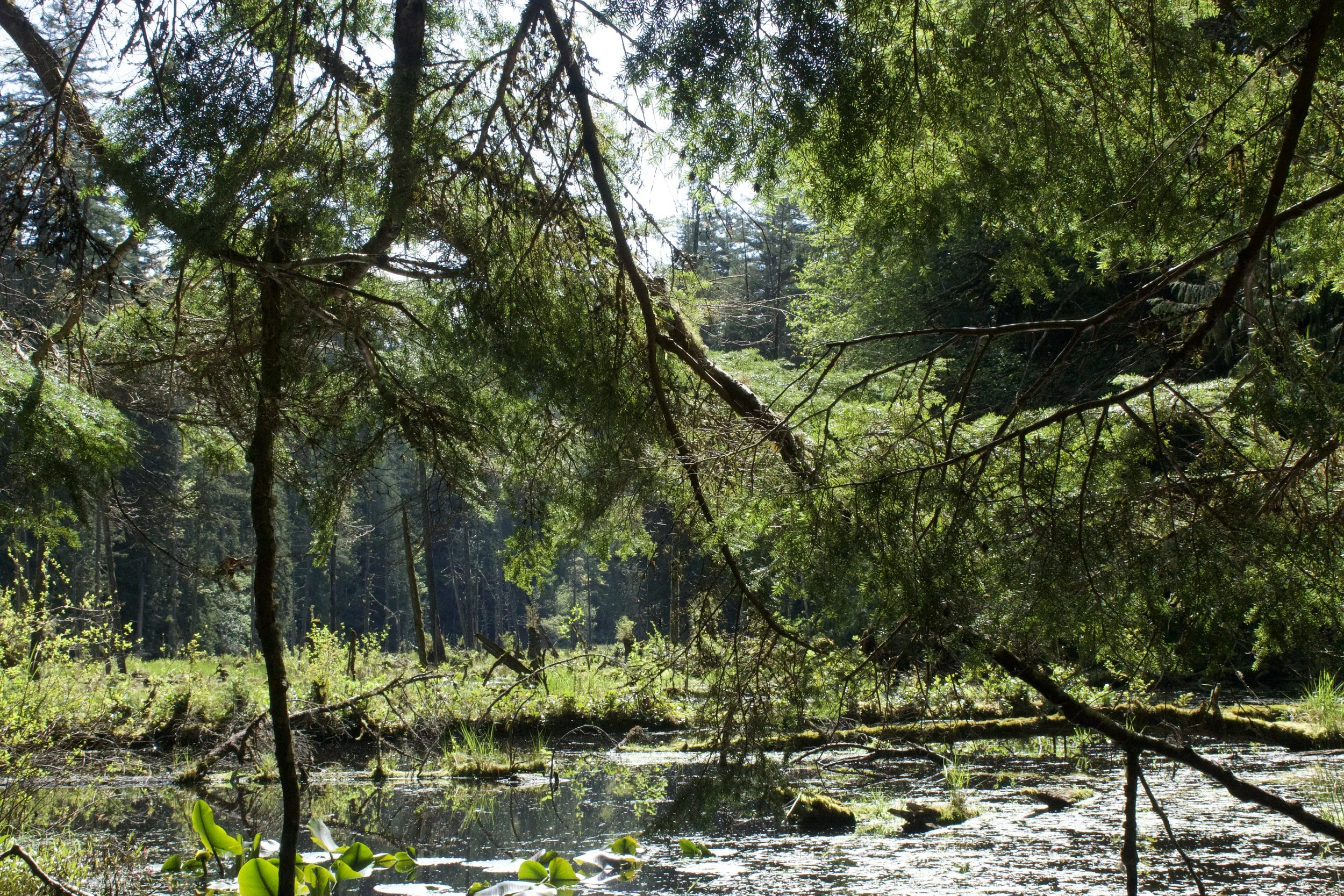
An estuary restoration project creates unexpected habitat for herons in Little Squalicum Park
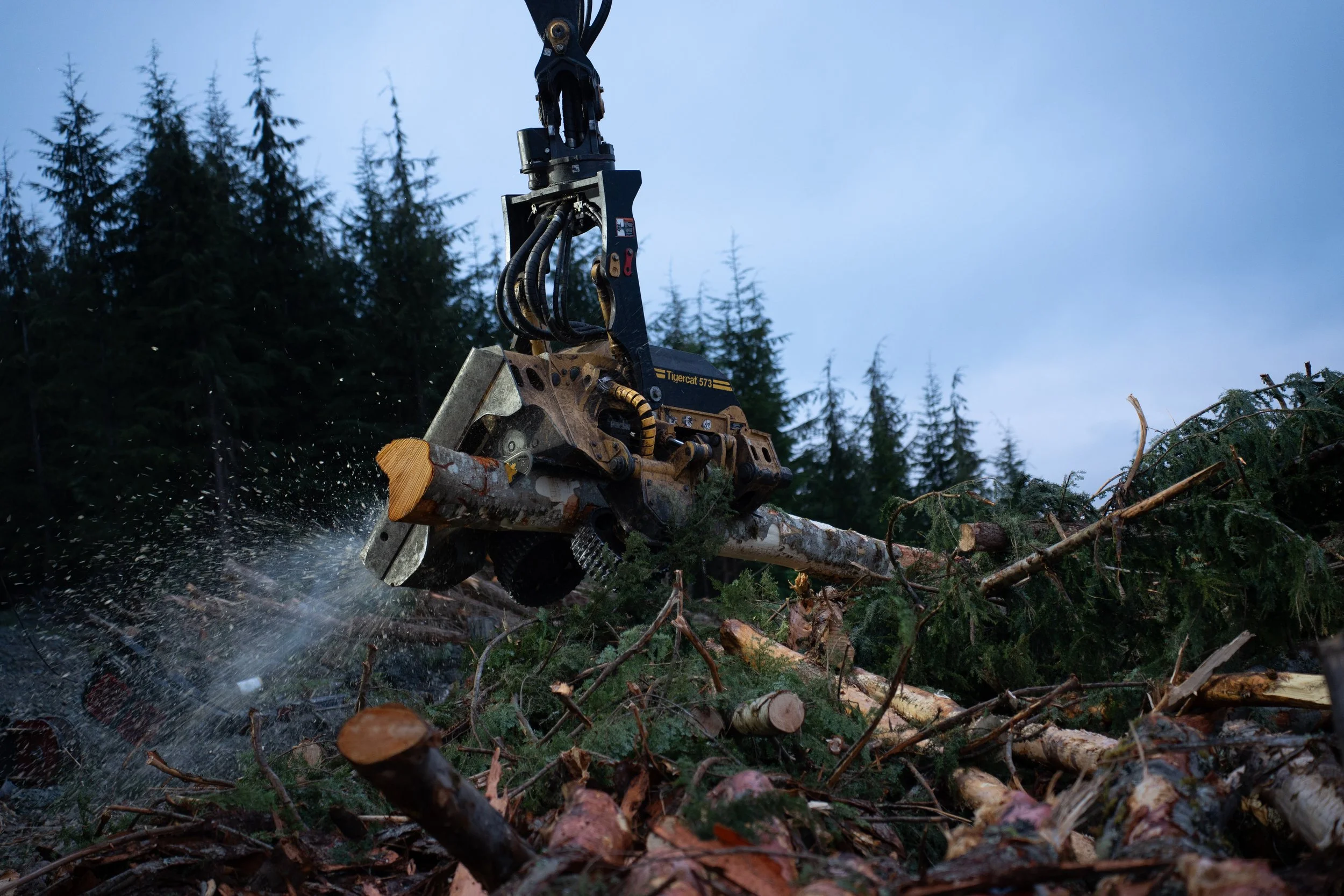
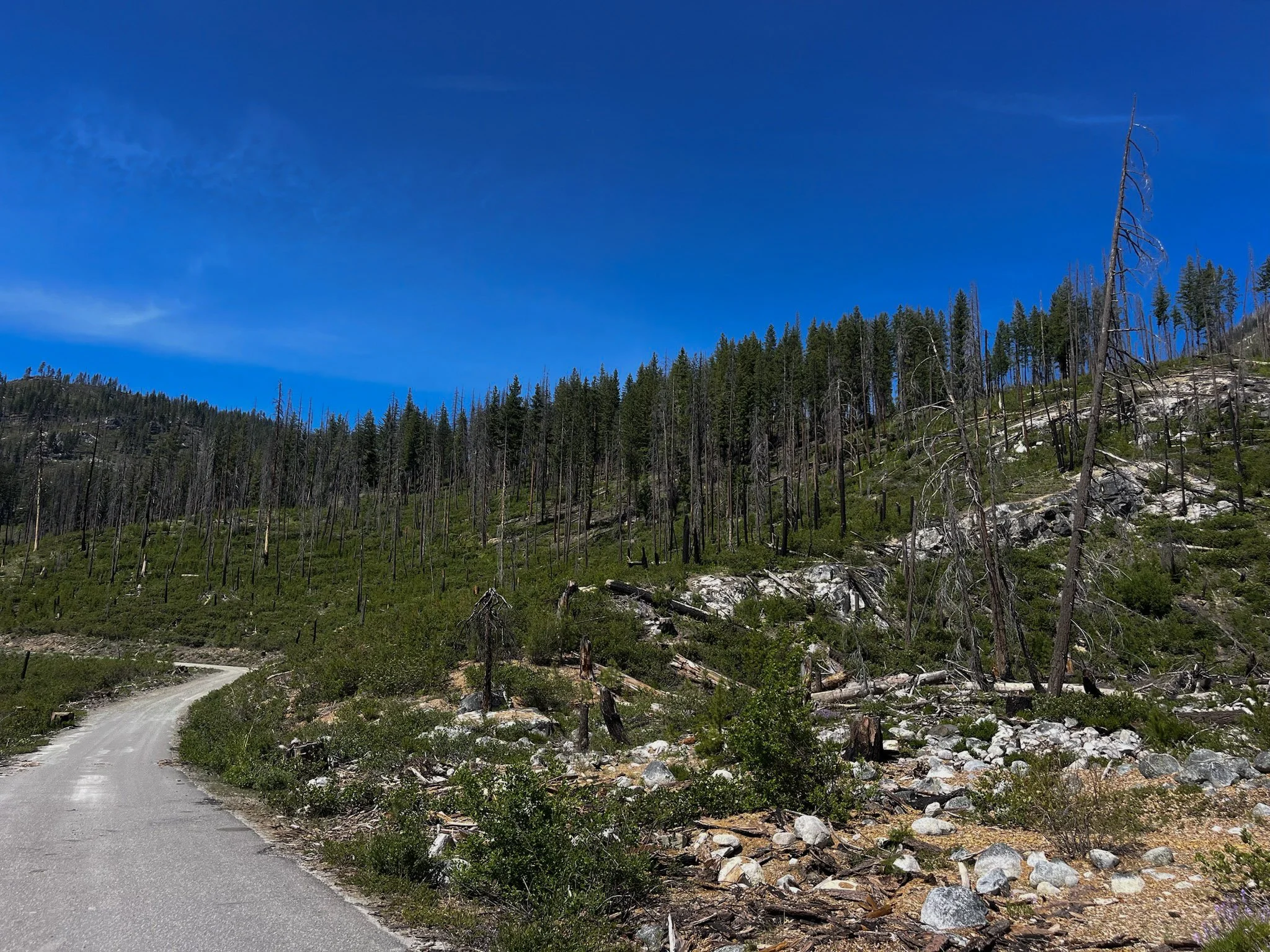
In the face of worsening fire conditions, the federal administration is gutting wildfire mitigation and research across the nation.
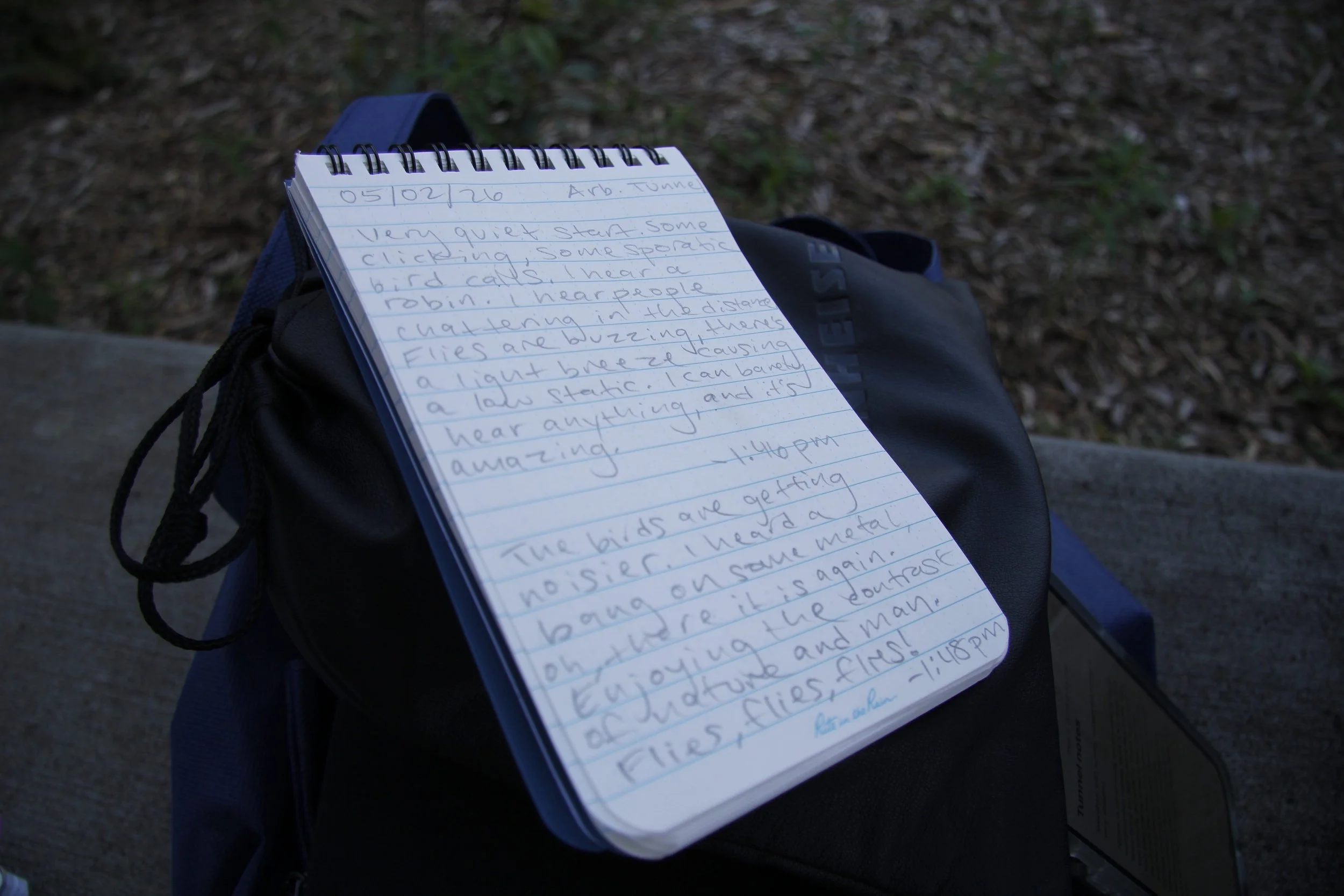
A local soundmapping project works to document noise pollution in the Bellingham Arboretum
As Bellingham plans for a growing city, environmental groups raise concerns over water quality
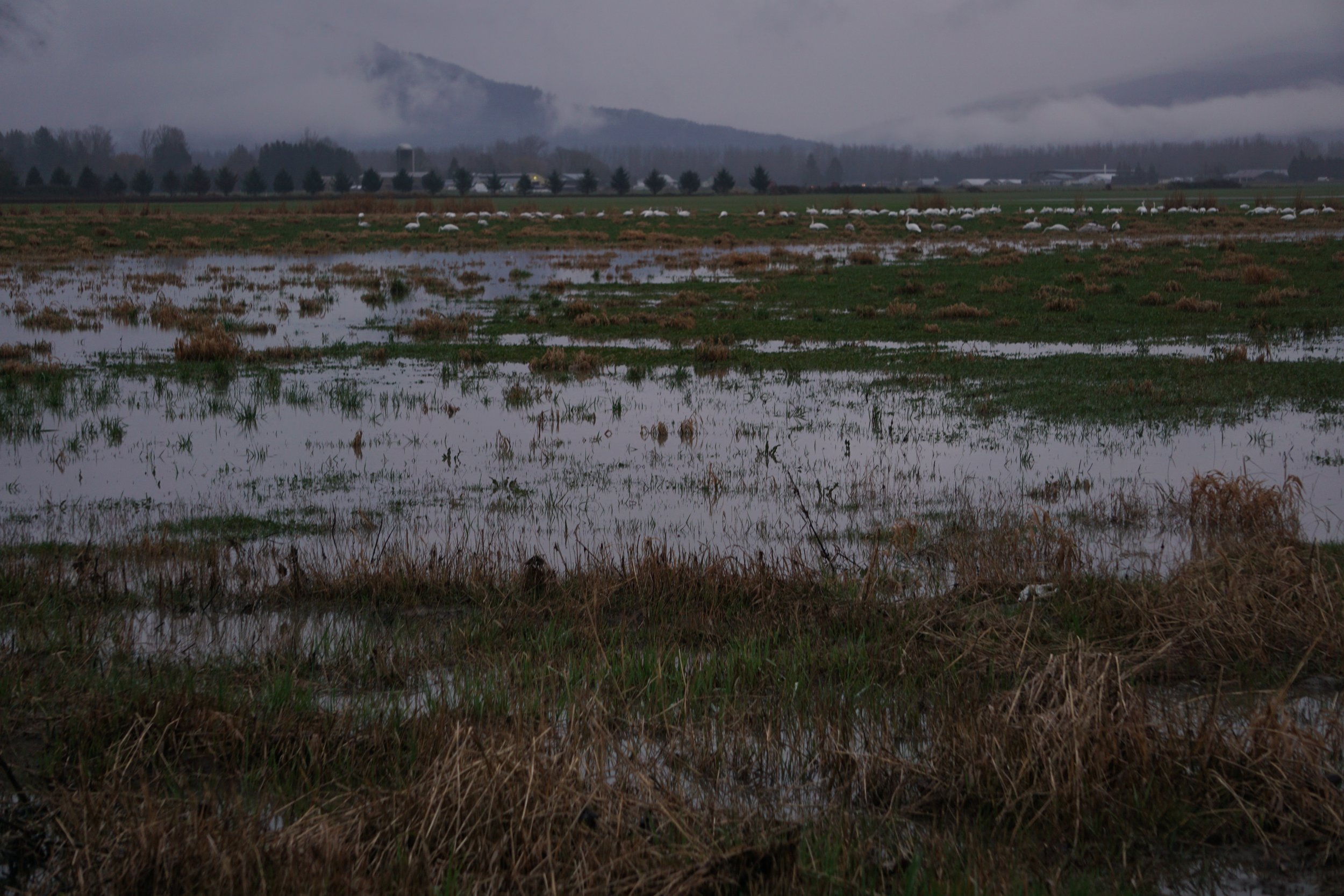
Four years after the devastating 2021 floods, Whatcom County residents rally to recover once again
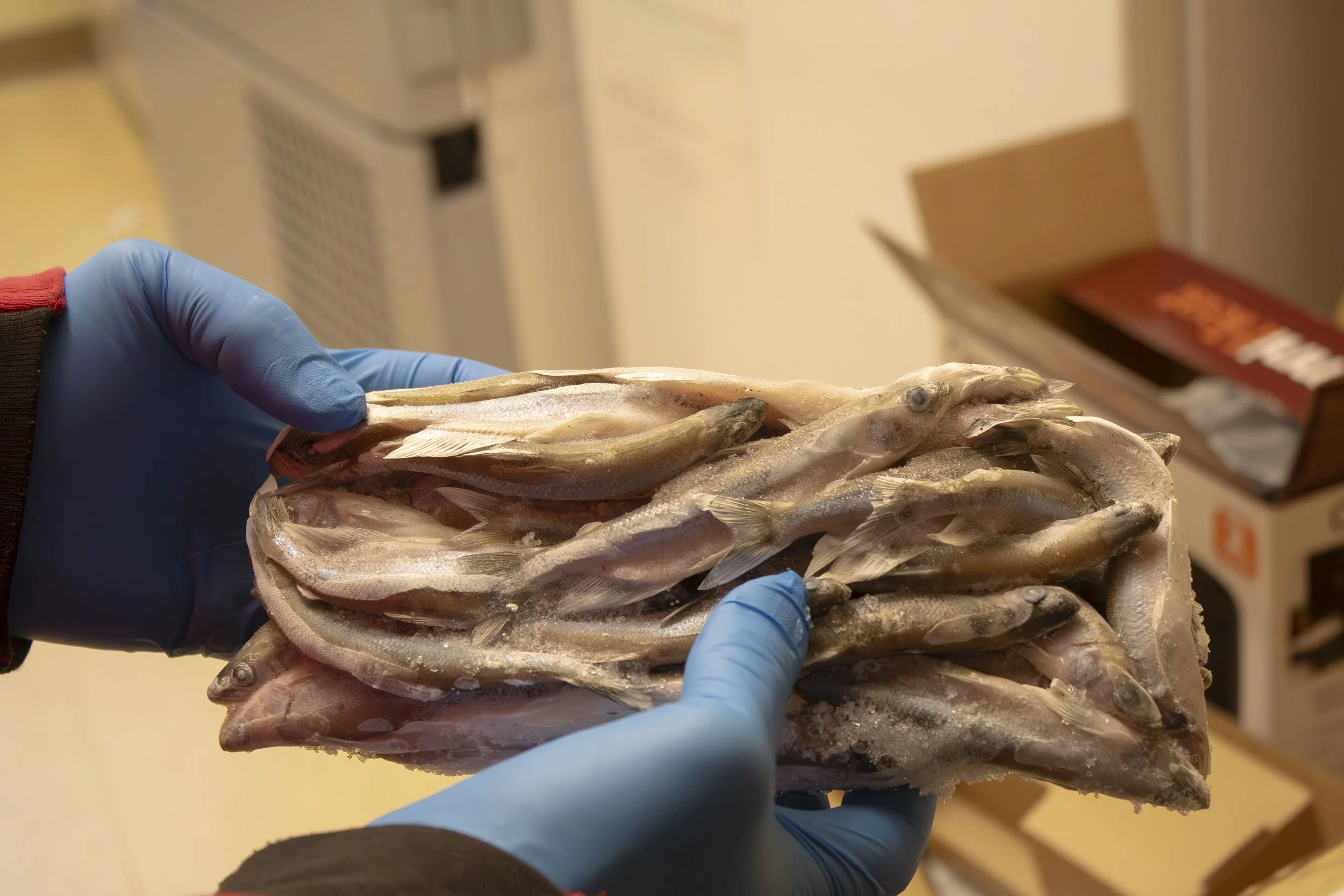
As the Nooksack River delta expands and habitat conditions shift, longfin smelt remain elusive
After 25 years of waiting, the Makah Tribe is closer than ever to whaling again — but the path forward reveals how environmental policy constrains Indigenous sovereignty
The oak meadows that once covered the Salish Sea region are now only tiny fragments of their former glory
The Tulalip Tribes are working to build a solar-powered microgrid on their reservation to combat power outages and increase community resilience.
It’s been nine years since a gravel mine was proposed in Skagit County. After multiple appeals and a lawsuit, the application is at a standstill.
Scientists and community members are working to monitor and restore bull kelp within the Salish Sea.
Proposed dredging and active home development at Sandy Point on the Lummi Nation Reservation threatens more than the beaches and the animals who call them home.
The emerging genre of solarpunk has readers and writers alike working towards a better future.
Japanese mud snails are taking over Padilla Bay but no action has been taken to remove them.
Construction is set to begin on a Coast Salish-style longhouse located in the Sehome Hill Arboretum. This will be the first of its kind for the City of Bellingham and at Western Washington University.
Resident orca pod populations in the Salish Sea have diminished due to human activities. Varying regulations across state and national borders haven’t helped.